
Democracy, Storytelling and Courage: Remembering Rob Reiner

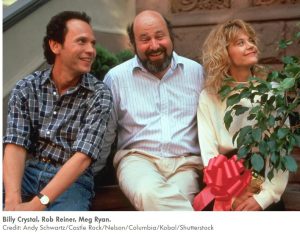
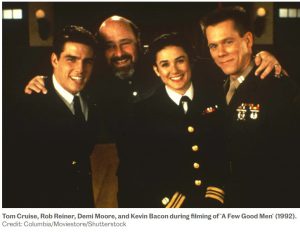
Rob Reiner’s sudden death yesterday, together with that of his wife Michele Singer, has stunned the worlds of film, comedy and public life. For the Amal Educational Network, his story is not only one of artistic brilliance but of a lifelong commitment to democracy, equality and civic courage – values at the heart of Amal’s educational mission. Reiner’s journey from beloved sitcom actor to visionary filmmaker and outspoken democratic advocate offers a powerful example of how culture, identity and activism can come together in service of a more just society.
Born in 1947 to legendary Jewish comedian Carl Reiner, Rob Reiner grew up in a home steeped in Jewish culture, humor and a strong sense of social responsibility. He first became a household name as Michael “Meathead” Stivic on Norman Lear’s groundbreaking series “All in the Family, playing the liberal son‑in‑law whose clashes with Archie Bunker brought debates about racism, sexism and democracy into American living rooms. Reiner went on to direct some of the most enduring films in modern cinema, including “This Is Spinal Tap,” “Stand By Me,” “The Princess Bride,” “When Harry Met Sally…,” “Misery” and “A Few Good Men” – works remembered not only for their wit and emotional depth but also for their moral seriousness and belief in human dignity. He often said that his Jewish upbringing, with its emphasis on honesty, education and ethical responsibility, shaped both his artistic sensibility and his understanding of the world.
Behind the camera, Reiner became one of Hollywood’s most consistent and strategic advocates for liberal and democratic causes, using his public platform to defend rights and institutions he believed were under threat. In California, he helped lead the campaign for Proposition 10, which taxed tobacco to fund early childhood development and education programs, crisscrossing the state to argue that every child deserved a fair start in life. He was also a driving force behind the American Foundation for Equal Rights, which mounted the federal court challenge to California’s Proposition 8; his work and fundraising helped pave the way toward the eventual nationwide recognition of same-sex marriage as a civil right. Over decades, Reiner emerged as a prominent Democratic activist and donor who saw civic engagement as an extension of his creative life.
In his later years, Reiner devoted increasing energy to warning about the fragility of American democracy, becoming one of the most persistent public critics of Donald Trump and of movements he believed endangered constitutional norms and minority rights. He spoke repeatedly about the risk of rising authoritarianism, helped found initiatives such as the Committee to Investigate Russia, and insisted that artists and educators share a responsibility to help citizens recognize and resist attacks on democratic institutions. For Amal, Reiner’s legacy resonates far beyond Hollywood: as a proud Jew shaped by memory of the Holocaust, as a storyteller who believed in the power of narrative to foster empathy, and as an activist who invested his time, resources and reputation in strengthening democracy, equality and civic participation – the very values Amal seeks to nurture in every classroom and campus.