
Why May 1st Still Matters Today
May 1st, known around the world as International Workers’ Day, began 140 years ago when workers in the United States stood up for something very basic: fair working conditions. Their protests, especially the events in Chicago known as the Haymarket affair, were met with violence, and many paid a heavy price. Yet, their struggle led to lasting change. Because of their courage, workers gained the right to organize, to speak up and to demand dignity at work, rights many of us benefit from today without even realizing it.

Over time, similar efforts around the world helped create the everyday protections we now take for granted. The eight-hour workday, minimum wage, paid vacation, maternity leave, and protections against child labor and unfair dismissal – all came from people who believed life could be better and worked together to make it happen. These changes didn’t happen overnight, they were built step by step by communities committed to fairness and shared responsibility.
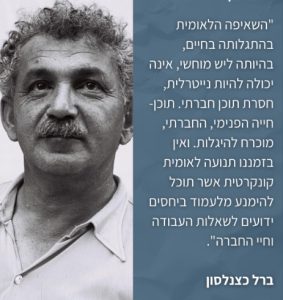
Amal Educational Network is part of this same story. Founded 98 years ago as the educational arm of the Histadrut, the labor federation rooted in the Zionist and social vision of leaders like Berl Katznelson, Amal was built on the belief that education is key to creating a more just society. Today, Amal continues to give students not only knowledge, but also a sense of belonging to something bigger: a community that values equality, opportunity, and social responsibility, and that continues to work toward a better future for all.
In Israel today, as we face ongoing security challenges and work to preserve a strong and vibrant democracy, the values behind May 1st remain deeply relevant. They remind us that a resilient society depends not only on strength, but also on fairness, solidarity, and equal opportunity for all.