
How Transportation Gaps Limit Equal Educational Opportunity in Israel
Across Israel, thousands of Amal students begin each morning with a bus ride: sometimes long, sometimes uncertain. For many, that ride determines whether they can fully take part in school life. A recent report in Davar sheds light on an often-overlooked issue: municipal inequalities in transportation funding that quietly shape access to education.
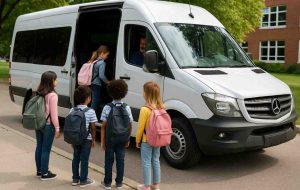
Amal Educational Network operates dozens of schools in 24 municipalities spanning Jewish, Druze, Bedouin, and Arab communities. In several of these areas, municipalities are responsible for organizing and funding daily transportation for high school students; not only to and from school, but also to after-school enrichment programs. Yet, when government allocations to local authorities fall short, transportation is among the first items to be cut. The result: students in underfunded municipalities face reduced access to the very programs designed to inspire and empower them.
These gaps affect far more than logistics. Every canceled shuttle means lost opportunities for career workshops, science fairs, arts programs, and joint multicultural encounters – the kind of experiences that build confidence, broaden perspectives and nurture shared citizenship. For Amal, which is deeply committed to educational equity and Jewish–Arab partnership, this challenge strikes at the heart of its mission.
Amal continues to seek creative ways to bridge these gaps: strengthening partnerships with local authorities, leveraging community resources and working with donors to ensure that no student misses out simply because of where they live. A modest investment in transportation can open doors, literally, for thousands of youngsters across Israel.