
Why Amal Schools Matter at a Critical Crossroads for Education
Israel’s education system is standing at a critical crossroads, with new data from the Taub Center’s State of the Nation Report 2025 showing both unprecedented investment and deeply worrying structural gaps. While public spending per student in primary and post-primary education has risen and now meets or exceeds OECD levels, in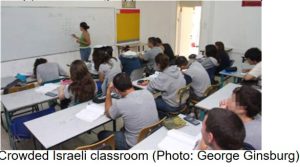 vestment in pre-primary education remains far behind, even though early childhood is where education yields the highest returns. At the same time, much of the budget’s growth is concentrated in special education and opaque “reserve” items, a considerable share of which flows to specific sectors rather than to system-wide improvements that benefit all Israel’s children.
The report highlights a dramatic 61% rise in the number of students in special education between 2020 and 2024, compared to only 8.5% growth in overall enrollment, and a 26% increase in the special education budget for 2024/25, versus just 6.7% in the general education budget. This surge reflects both real needs and parents’ loss of confidence in the ability of mainstream classrooms to support diverse learners, especially when class sizes remain large and conditions are challenging. The Taub analysis also warns that the Ministry of Education underutilizes about 5% of its approved budget every year—over 4 billion shekels that could otherwise be used to strengthen teaching quality, reduce class size, and expand essential services in every school and community.
Contrary to frequent headlines about a “teacher shortage crisis,” the Taub Center finds no evidence of a real nationwide shortage of teachers. Across Israel’s 20 largest cities, the number of teachers has grown faster than the number of students, and nationwide simulations show that teacher supply actually exceeds demand overall and by subject, with vacancies at the start of the school year below 0.2% of all positions—low even by OECD standards. The report notes that the most urgent challenges lie in how resources are allocated, in adapting teaching to the needs and skills of today’s students, and in preparing them for a future shaped by rapid technological change, including the growing centrality of artificial intelligence in learning and work. These findings resonate strongly with Amal’s own strategic shift toward AI-based learning, as the network invests in innovative teaching models that personalize learning, strengthen higher-order thinking, and equip students with the competencies they will need in a digital, AI-driven society.
The Shapira Committee, whose recommendations are presented as a potential historic turning point, calls for a smarter use of Israel’s existing education budget, including gradually reducing class size, strengthening support for students with diverse needs, and improving the quality and stability of teaching staff across the system. These priorities are highly relevant for Amal’s middle and high schools, which work daily with adolescents at the most sensitive stage for shaping identity, citizenship, and democratic values. For Amal Educational Network, this moment is a call to action: with the partnership of committed friends and donors overseas, Amal can translate these insights into smaller learning groups, stronger mentoring, richer civic and social education, and cutting-edge AI-based learning environments in its 50 post-primary schools—educating informed young citizens who will help safeguard Israel’s democracy and lead the country toward a more just and cohesive future.