Friends of Amal USA selected to support the following projects for the 2026-2027 school year:
1. Scholarships for Opportunity
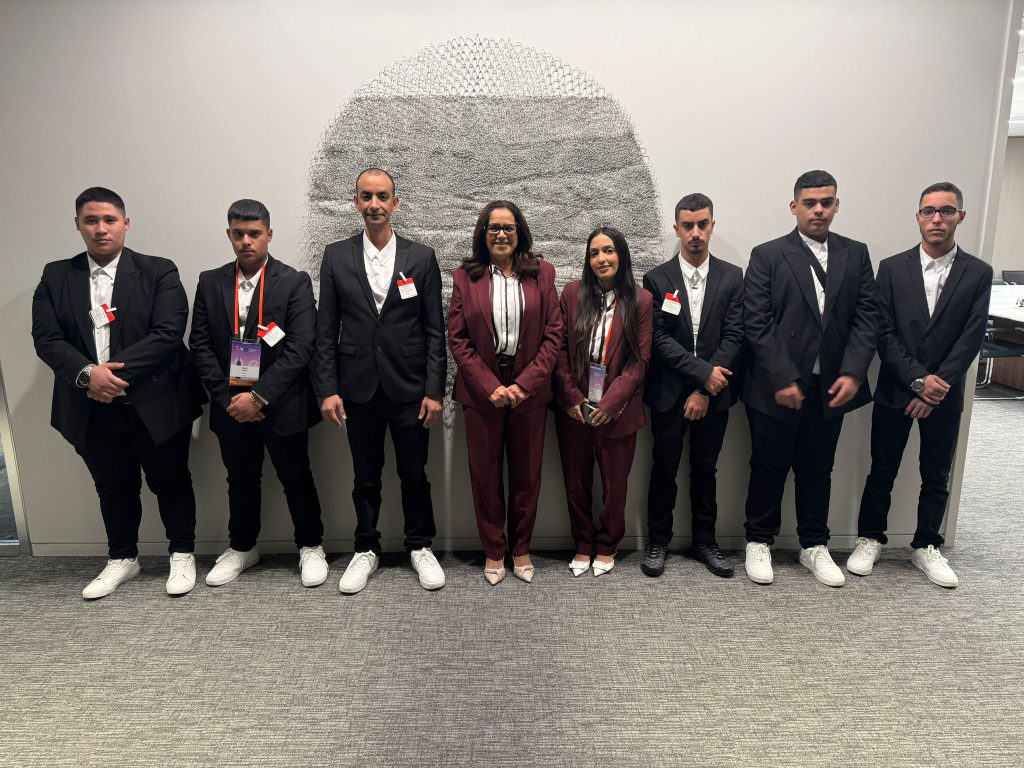
Many Amal students come from families that struggle to cover basic school fees, transportation, equipment and enrichment activities, and financial pressure often pushes talented teens out of the educational track that could change their lives. Targeted scholarships turn “at risk of dropping out” into “on track to graduate and succeed,” especially in demanding STEM and technology programs.
Amal scholarships are integrated into a wider support system – mentorship from staff, participation in leadership and innovation programs, and close follow‑up so each scholarship becomes a lever for long‑term success, not a one‑time transfer. Because Amal’s network spans Jewish and Arab schools, scholarships also promote social mobility in Israel’s diverse society.
$1000 will give you the opportunity to Support one Amal student per year
Donors receive an annual impact report with student stories and measurable outcomes, as well as invitations to visit schools and meet scholarship recipients and staff. Major donors may establish a named scholarship fund (e.g., “The (Name) Scholarship for STEM Excellence”) recognized in school communications.
2. Innovation Labs: Future Ready Learning Environments
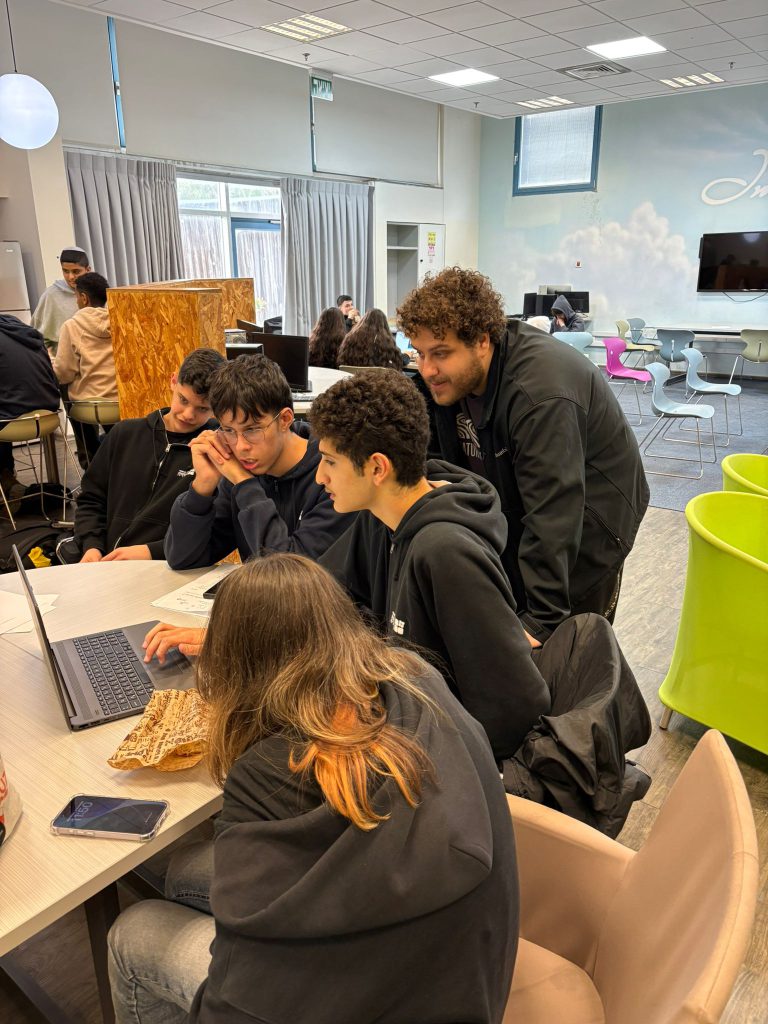
Many Amal schools lack up‑to‑date spaces for hands‑on learning in robotics, coding, entrepreneurship and creative arts, limiting students’ ability to develop skills demanded by today’s innovation economy. An Innovation Lab transforms the school from a traditional classroom environment to an active, collaborative hub where students can design, build and experiment.
Amal Innovation Labs combine STEM, creativity and social impact: students work on real‑world challenges drawn from their communities, guided by trained teachers and mentors from industry. The labs serve diverse groups – Jewish and Arab, boys and girls – and are intentionally designed to be inclusive and welcoming for underrepresented populations in tech.
An Innovation Lab includes renovation or adaptation of a space, furniture for collaboration, computers, and equipment (e.g., 3D printer, robotics kits, digital tools), as well as teacher training and maintenance. Depending on size and equipment, an Innovation Lab costs between $150,000 – $450,000 per year. Most renovations are matched by local authorities once initial sum comes from philanthropic sources.
The lab can carry the donor’s name with a dedicated plaque at the entrance and mention in school and Amal network materials. Donors are invited to speak before students on special student demo days, hackathons and exhibitions held in the lab.
3. Delegations of Hope: Jewish and Arab Youth Encounters
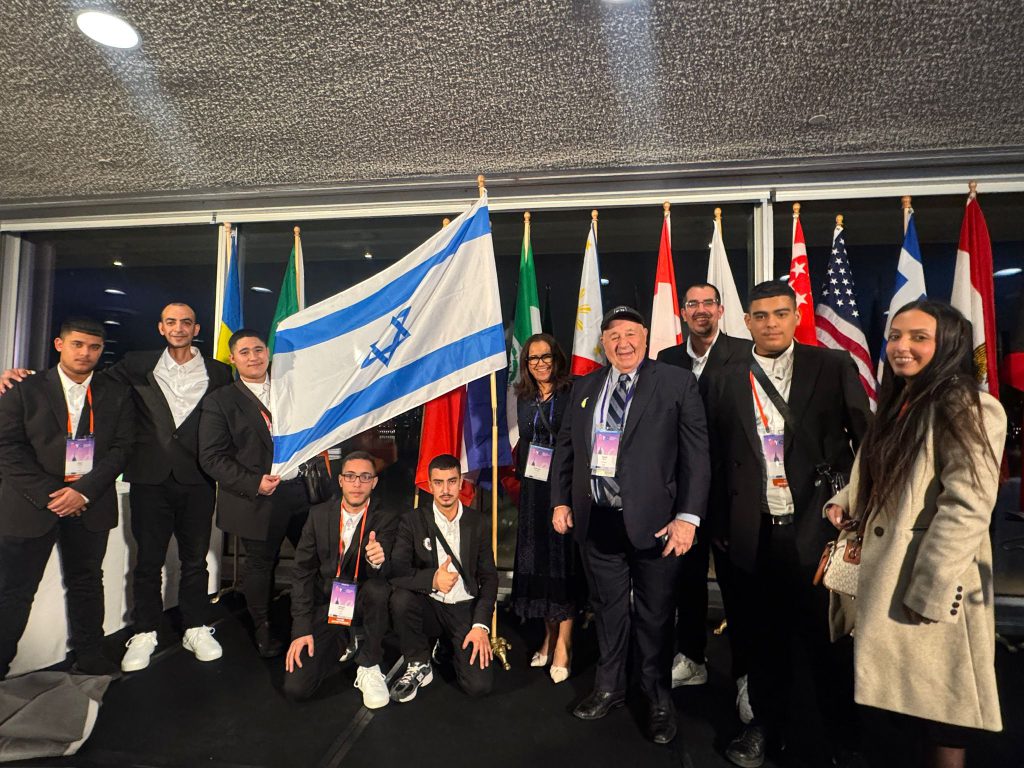
Young people in Israel often grow up with limited direct contact with peers from different communities, reinforcing fear, stereotypes and distance. Delegations of Hope bring together Jewish and Arab students from Amal schools, offering a structured opportunity to learn, travel and create together.
These delegations are built around entrepreneurship competitions in the USA, exchange programs with American partner schools, or joint educational tours. Students work in mixed teams, develop projects, and discover that they can share a future while exploring their own identity – as Israelis, as members of their community, and as global citizens.
Each delegation includes preparation workshops, travel, insurance, accommodations and program coordination, based on the group ranges in your delegations/trips section. Donors can support one full delegation or co‑sponsor specific components such as flights or the competition registration fees.
$10,000 will provide you with the opportunity to support an Amal delegation of 10-15 participants for a weeklong visit to the USA. A delegation can be named in honor of a donor or family, acknowledged in all materials and at partner schools abroad. Donors receive detailed post‑trip reports, student reflections and invitations to meet delegation participants in Israel and/or in the USA.
4. Engineering the Future – Girls in STEM
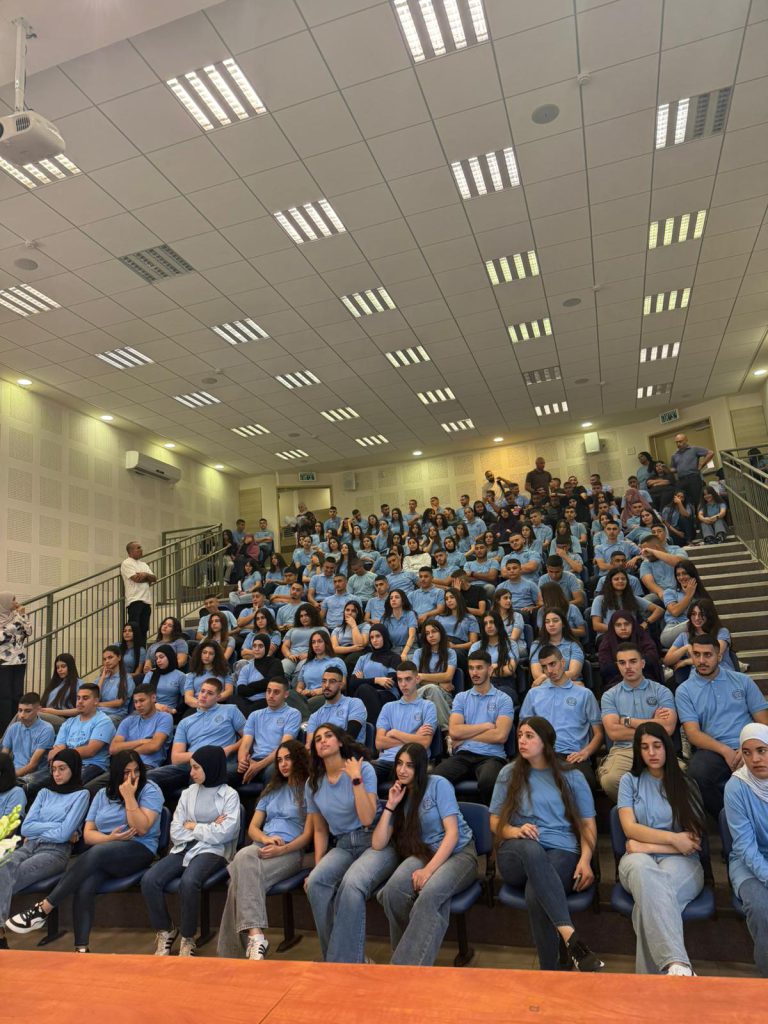
Girls remain significantly underrepresented in engineering and advanced technology tracks, limiting both their personal opportunities and Israel’s future STEM workforce. Across Amal schools, the Engineering the Future program aims to increase the number of girls entering and succeeding in these demanding tracks.
The program combines high‑level STEM instruction with mentoring by women engineers and role models, enrichment activities, and confidence‑building workshops. It is embedded in Amal’s broader STEM network, giving girls access to labs, competitions and industry partnerships that are usually closed to them. Costs include targeted recruitment activities, enrichment workshops, mentoring programs, specialized equipment and scholarships to reduce barriers to participation.
$10,000 will sponsor the program in one school for one year. Sponsoring 10 schools per year, for a period of 5 years, will name the entire program after the donor and open an opportunity for Amal to make a lasting difference and making sure more women are diverted to the STEM tracks and help Israeli high-tech industry maintain its power.
5. Student Councils – Youth Leadership for Democracy
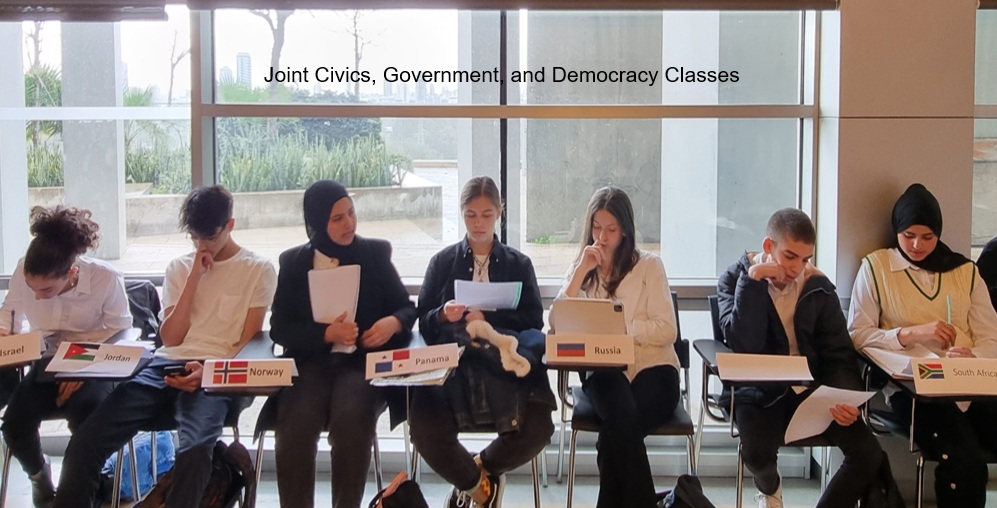
At a time when democratic values are challenged, schools must become active spaces where students learn not only about rights and responsibilities, but also how to practice participation, dialogue and shared decision‑making. Amal is making a system‑wide transition to strengthening civic values across its varied schools, and student councils are a central pillar of this effort.
The program provides student councils with structured guidance, a defined budget, tools and training to lead activities about democracy, civic engagement and shared society in their schools. Students become ambassadors for democratic practices by organizing debates, campaigns, volunteer initiatives and peer‑to‑peer learning, supported by trained staff.
$25,000 will give you the opportunity to support one student council. This will give the council a moderate operating budget for school activities, for special trips, for joint gatherings with other school councils, for a guide who would lead the council and for access to network‑level civic events. A donor can support student councils across a cluster of schools. Donors are invited to visit council‑led activities and participate in student‑run forums or events. They will receive a timely report on the activities run by the council and an end of year report on the impact their team has made in the schools.
6. “Knowing Me, Knowing You” – Learning Each Other’s Language
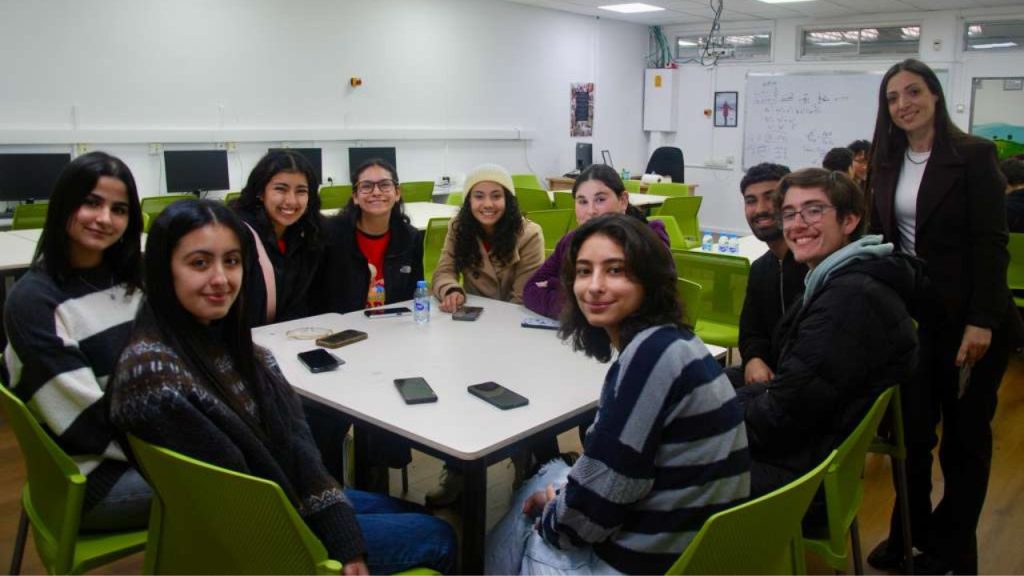
Jewish and Arab citizens of Israel often live side‑by‑side yet speak past one another, with language barriers reinforcing distance and misunderstanding. Teaching Arabic in Amal’s Jewish schools and Hebrew in Amal’s non‑Jewish schools is a powerful, practical way to build trust, open doors to social mobility and support life in a shared society.
“Knowing Me, Knowing You” is not just a language program; it connects language learning to culture, identity and joint activities between schools. Students learn to communicate with peers from other communities, participate in visits and projects, and begin to see each other as partners rather than strangers.
$150,000 will provide the opportunity to launch this system wide program in 10 schools across the network. It will include trained language teachers, learning materials, joint events and transportation for encounters between partner schools. Donors are recognized in program materials at participating schools and in Amal network communications focused on shared society. They receive stories and data on student participation, attitudes and language achievement, plus invitations to joint events.
7. English as a Bridge: Opening Global Doors
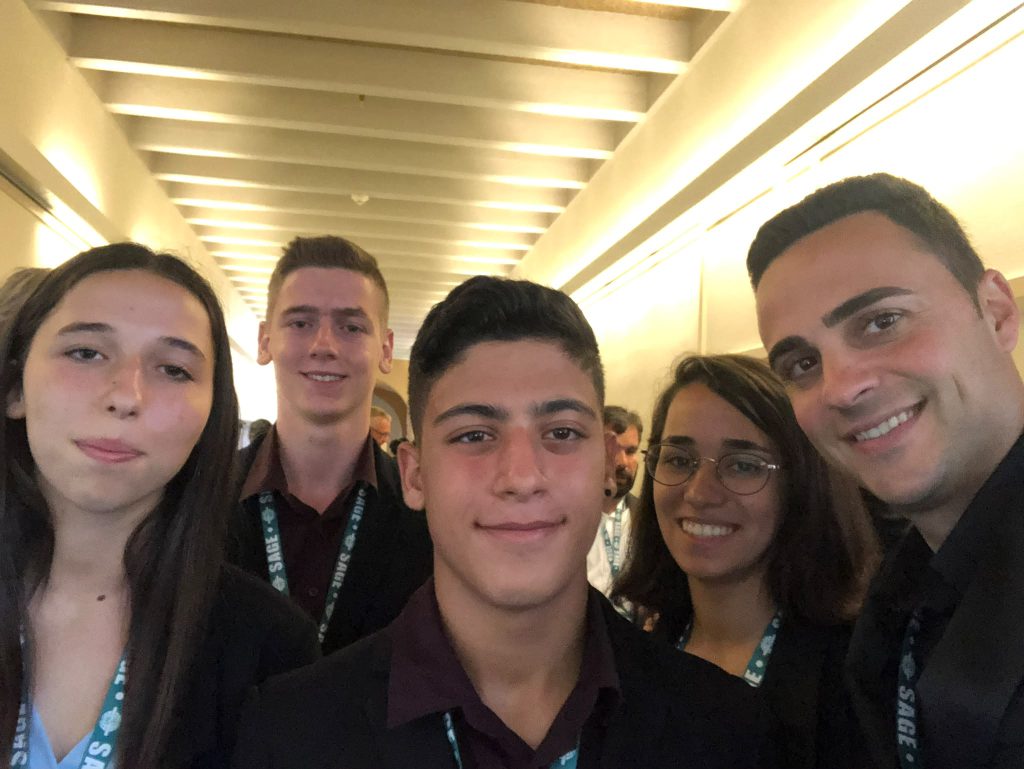
English proficiency is a key gateway to higher education, employment and global connection, yet many Amal students start at a disadvantage. Strengthening English skills gives students from all backgrounds access to international opportunities in study, work and civic engagement.
“English as a Bridge” integrates innovative teaching methods, small‑group support and projects that connect Israeli students with peers abroad. In some schools it will be linked to programs like Delegations of Hope, so students use English for real communication rather than only for exams.
$100,000 donation will provide the opportunity to create a network wide program with at least 10 Amal schools as participants. Costs include specialized teaching hours, materials, digital tools for language practice and coordination of international exchanges. Donors will receive updates on students’ progress and stories of how improved English opened new doors for them. Significant supporters may be recognized as naming partners of an “English as a Bridge” program at a specific school or region.
8. Food Trucks – Nutrition and Entrepreneurship
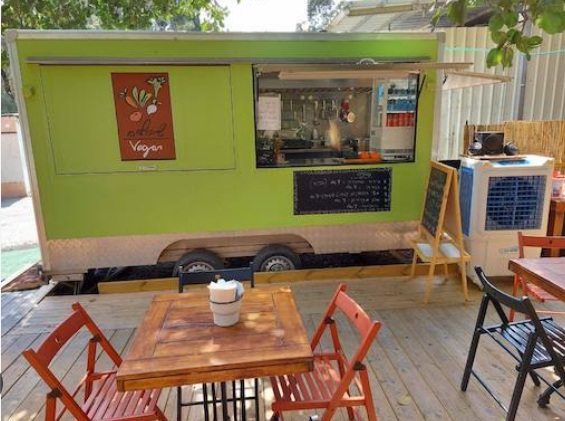
Amal has a variety of schools and communities. Some of which are near poverty and count on schools for nourishment. Many students come to school without a sandwich, impacting their concentration, health and ability to learn. At the same time, many teens lack exposure to practical business skills and responsibility. Amal strives for social mobility in and for these communities.
Food Trucks provide healthy food for students while teaching them how to run a small business: planning, budgeting, marketing and teamwork. Students manage real operations under guidance – learning about nutrition, hospitality and entrepreneurship in a supportive environment.
$100,000 donation will support the launch of a food truck program in one school for a 3-year period. The first year would cost the most with setting up the wagon and purchasing basic equipment, basic inventory, supervision staff and training in business management. Depending on the scale, donors can support a Food Truck in one school or across a group, calibrated to the ranges for vocational and business‑education projects in your document. Donors may have their name displayed at the Food Truck station or corner in the school. They receive reports on student participation and learning outcomes and are invited to taste days and student‑led events.
9. Alumni Communities – From Graduates to Mentors
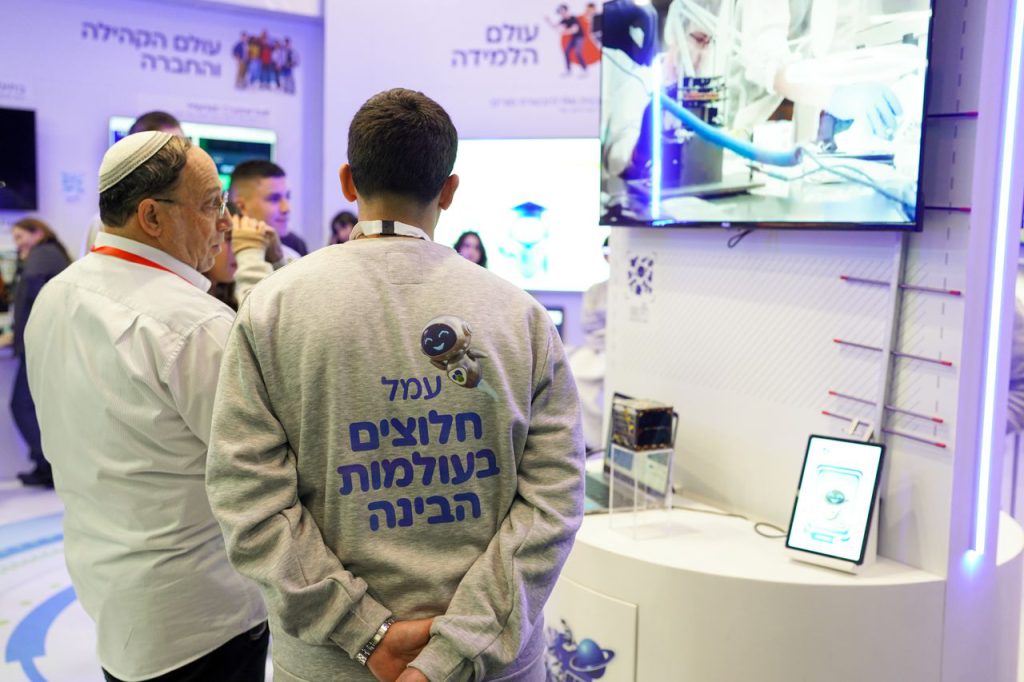
Students often lack real‑life role models who share their background and can show them concrete paths from school to career and community leadership. Amal’s alumni network is a powerful yet underused resource for inspiration, networking, and ongoing support. Amal’s upcoming 100th anniversary is a breaking point and now is the time to reach out to Amal graduates over the years and seek their help in rebuilding Israel through quality education.
The Alumni Communities project connects current students with school graduates and alumni from across the Amal network through lectures, tours at alumni workplaces, mentorship programs and online communities. It builds a living ecosystem where “once an Amal student, always part of the Amal community.
$250,000 donation will provide the opportunity to launch the Amal Alumni Association and name it after the donor. Costs include coordination staff, event and tour logistics, digital platforms and mentor training.
10. School Wellbeing & Recreation Spaces

3 years after October 7th and a long period of war, Amal students still face high levels of stress, anxiety and social pressure, and many schools lack safe, inviting spaces where they can relax, connect and rebuild resilience. Traditional classrooms do not meet the emotional and social needs of young people who spend most of their day at school.
Wellbeing & Recreation Spaces include music rooms, cozy libraries, comfortable seating areas across the school, outdoor gyms and simple weight rooms. These spaces are designed to encourage positive social interaction, creativity and healthy habits, creating a school climate where students want to be and can thrive.
Costs cover planning, renovation, furniture, equipment (books, instruments, gym equipment) and ongoing maintenance. Based on your infrastructure and SEL/wellbeing sections, donors can sponsor a full package in one school or specific elements such as a music room, library corner or outdoor gym. These are prime naming opportunities: each room or space can carry the donor’s name, with a plaque and acknowledgement in school materials. Donors are invited to visit and see how students use the spaces daily.
11. Immersive Spaces / Imagination Labs
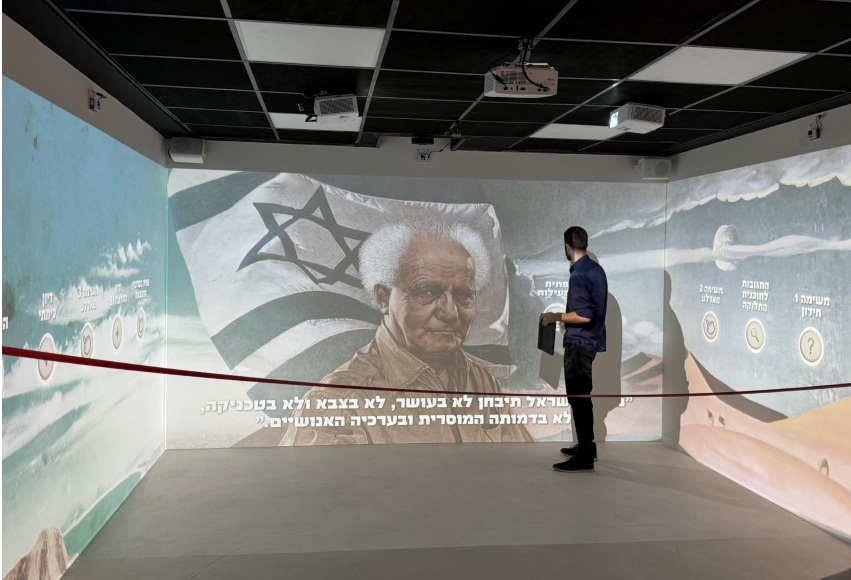
Students often learn abstract concepts without the chance to experience them through immersive, multi‑sensory activities. In a rapidly changing world, schools need spaces where imagination, curiosity and deep engagement are the norm.
Imagination Labs are flexible, technology‑enhanced environments that can be transformed into interactive exhibitions, simulations, storytelling rooms or creativity studios. They host cross‑disciplinary projects – science with art, history with media, civic education with design – and invite students to think beyond the traditional classroom.
Setting up one imagination lab costs around $300,000. Costs include renovation of a dedicated space, modular furniture, digital and low‑tech equipment, and teacher training in immersive pedagogy. Donors can underwrite a full Imagination Lab in a specific school, aligned with the infrastructure and innovation‑space budget lines in your document. Most labs are sponsored by several partners including the local authority, private organizations in the community and often the school itself. However usually these initiatives start with philanthropic support that leads the other partners for action.