
Excellent Pedagogy
Amal Educational Network operates at the forefront of one of Israel’s most urgent national challenges: ensuring that a highly diverse generation of students is equipped with the knowledge, skills, and civic foundation needed to thrive in a rapidly changing and deeply fragmented society.
Technological disruption, widening social gaps, and growing polarization are reshaping both the labor market and the fabric of shared life in Israel. Schools are increasingly expected not only to prepare students for employment, but also to cultivate critical thinking, democratic values, and a sense of collective responsibility. Yet, the current educational system often lacks the tools, structures, and support necessary to respond effectively to these overlapping demands.
In response, Amal is advancing a comprehensive strategy that integrates pedagogical innovation, technological advancement, experiential learning, and democratic education into a coherent system-wide transformation. The four initiatives presented here, spanning research and development, AI-supported teaching, school-based innovation ecosystems, and educator-led democratic engagement, reflect a unified vision: to redesign education so that it is relevant, inclusive, and future-oriented.
Together, they position Amal not only as a leading educational network within Israel, but as a model for how public education systems can adapt to complexity while strengthening both excellence and social cohesion.
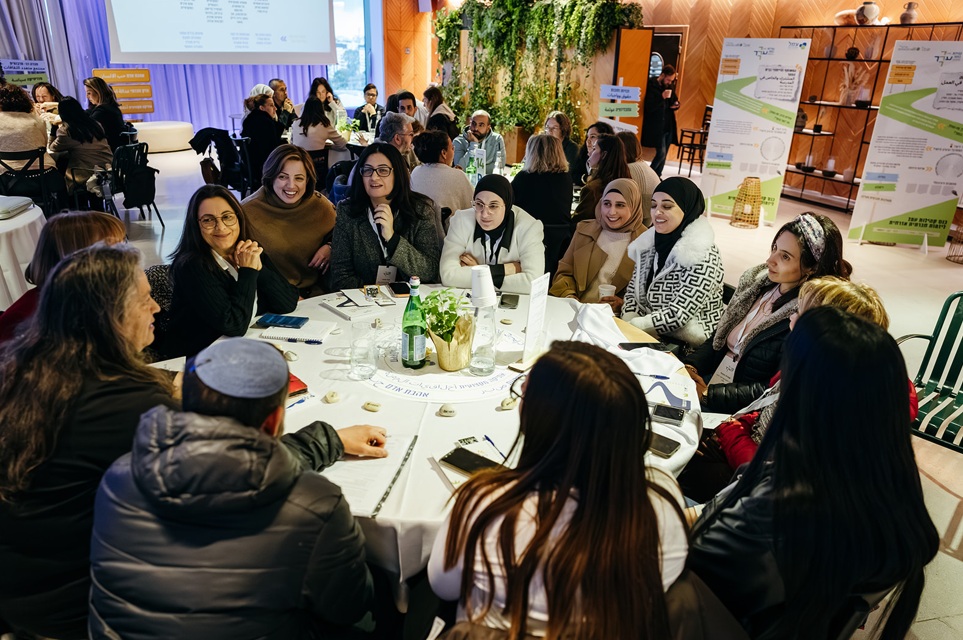
Amal Research and Development Center
Amal Educational Network seeks support to establish a groundbreaking pedagogical R&D center that will serve as the “engine room” for designing education that truly fits our new era. Rather than simply updating existing curricula, this center will re‑imagine how teaching and learning should look in a world shaped by rapid technological change, social polarization, and evolving labor‑market demands. Its mission will be to ensure that every Amal school offers education that is deeply engaging, democratic in spirit, and aligned with the skills and values students need to thrive and to contribute meaningfully to Israeli society.
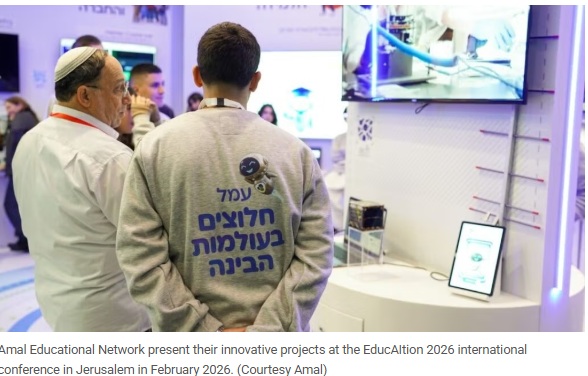
POPAI: AI-powered pedagogical mentorship
Israel’s teachers are carrying a huge burden: large and diverse classrooms, a demanding curriculum, rising burnout, and now the rapid arrival of artificial intelligence into everyday school life. Most schools have no clear way to integrate AI into teaching, and generic tools do not really help – they do not know the Israeli curriculum, the unique identity of each school, or the needs of the teacher standing in front of the class. This creates a widening gap between what technology could contribute to education and what actually reaches teachers and students. POPAI was created to close that gap and give every teacher a practical, values‑aligned way to harness AI for excellent pedagogy.
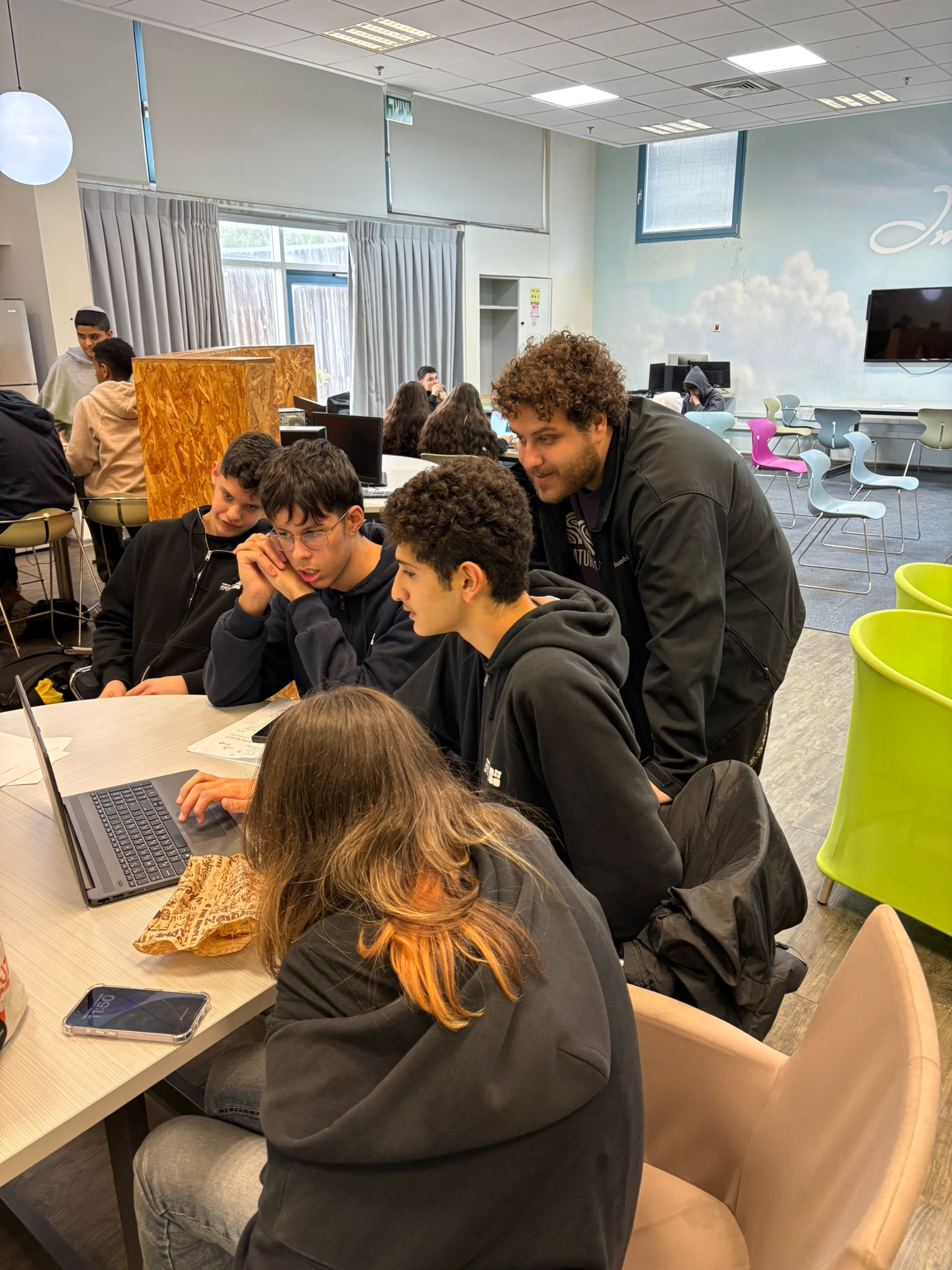
Amal Innovation Centers
Amal’s vision is to establish a vibrant innovation center in every one of its 50 high schools across Israel, creating a national fabric of hubs where students from diverse communities learn by doing, innovate for the public good, and experience democracy as a lived practice rather than an abstract concept. Through these hubs, Amal will truly be able to say that its students can access top‑quality experiential learning that sparks curiosity, cultivates responsibility, and opens pathways to higher education and meaningful careers.
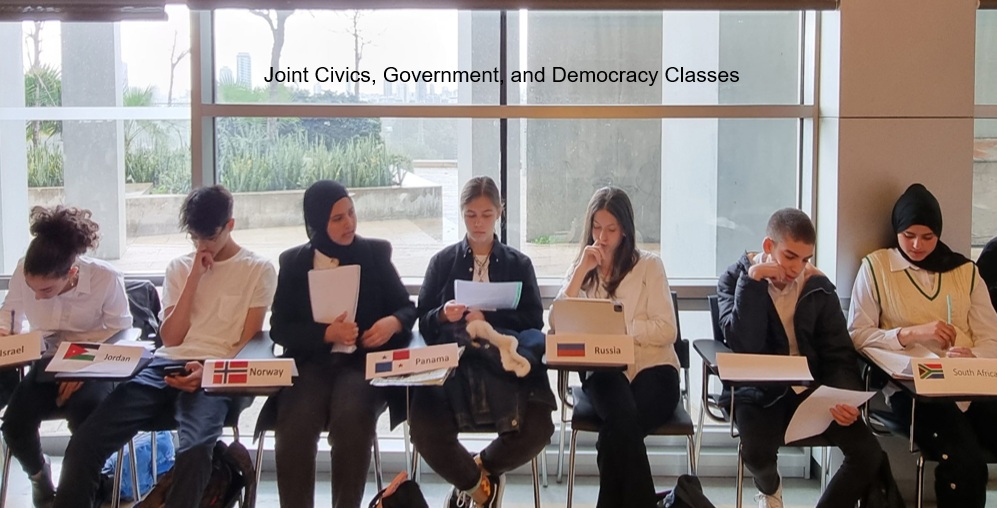
Amal Communities for Democracy
Amal Educational Network is leading a bold, long‑term effort to rebuild democratic culture in Israel by making liberal, civic education a living part of everyday school life in all 50 of its high schools. In a society marked by deep polarization, erosion of trust in public institutions, and the profound shocks of recent years, Amal believes it has no privilege to stand aside; its schools must be places where young people learn what it means to live in a Jewish and democratic state, and to see themselves as active, responsible citizens. This project anchors that vision in structured work with educational staff, principals, teachers, coordinators and regional leaders who are the key “agents of change” and the only ones who can turn abstract democratic values into daily experiences in classrooms, corridors and communities.