Amal’s Leadership Charts a Bold Vision for Years to Come
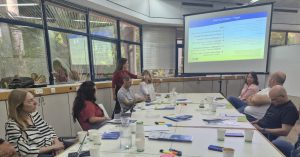
Senior leaders of Amal Educational Network recently gathered for a two-day strategic get together to review the network’s achievements, address emerging challenges and chart a course for the years ahead building up to the network’s 100 anniversary in 2028. The discussions took place at a moment of significant change in Israeli society and education, requiring schools to prepare students not only for academic success, but also for a rapidly evolving technological world, workforce transformation and growing social complexity. Guided by Amal’s vision as Israel’s leading democratic, science and technology-focused education network, the leadership team examined how to strengthen educational excellence while ensuring long-term sustainability and growth.
Karen Tal, Director General, openned the summit by thanking all for a year of meaningful progress. Amal rose to second place among Israel’s state education networks in key educational performance indicators, expanded innovative initiatives in STEM, artificial intelligence and holistic education, renewed agreements that secured schools across multiple municipalities, and completed major investments in educational infrastructure and organizational excellence. The network also established a dedicated business development unit, advanced educational research and innovation programs, expanded professional learning opportunities, strengthened employee wellbeing initiatives, and recruited leadership to support international philanthropy efforts, including the growth of Amal’s Friends Association in the United States. These achievements reflect a commitment to combining educational excellence with organizational strength and long-term impact.
 Looking ahead, the leadership team focused on ambitious priorities that will shape Amal’s future. As the network approaches its 100th anniversary, plans include expanding the responsible use of AI, diversifying revenue sources through philanthropy and strategic partnerships, strengthening connections with academia, industry, government and civil society, and increasing Amal’s role as a national leader in technological and democratic education.
Equal attention is being given to governance, operational excellence and implementation, with detailed work plans, measurable goals and clear accountability structures across the organization. For Amal’s supporters and partners, this strategic process demonstrates that the network is not only responding to today’s challenges, but actively building the foundation for the next generation of educational and social impact in Israel.